Wu-Tang
Clan
2026
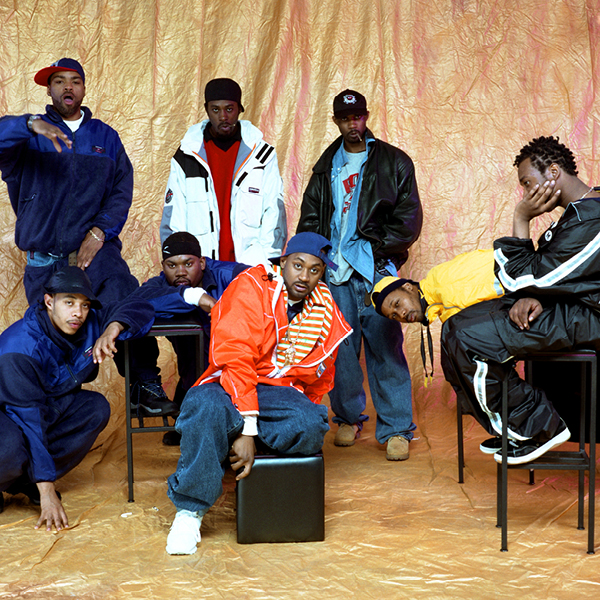
Wu-Tang Clan radically transformed hip-hop, as both music genre and cultural movement. Emerging from Staten Island, NY, the nine-person collective’s unique synthesis of martial arts mythology, Five Percenter philosophy, streetwise storytelling, and entrepreneurial savvy changed the game, emboldening independent artists worldwide. Architectural mastermind RZA’s lo-fi, grimy production featured scratchy soul LPs, martial arts movie dialogue, and off-kilter drum patterns, creating immersive, cinematic hip-hop unlike anything before or since.
Impact
Wu-Tang Clan and the Blueprint That Rewired Hip-Hop
Signature Sound
The combustible chemistry of Wu-Tang’s early ‘90s releases featured rhapsodic raps in multiple voices and personas over de facto leader RZA’s concoctions of raw, surface noise-heavy soul samples, kung fu movie snippets, and minimal percussion. Later efforts brought in outside collaborators, strings, found sound, and more introspective raps.



Wu-Tang’s first endeavor. This gritty, braggadocious battle rap, initially released as an indie 12-inch single, got the undivided attention of Loud Records.

RZA took the cleanest machines and made them sound dirty, dusty, and beautiful at the exact same time. It sounded like the streets of New York felt.
Chuck D
Public Enemy

2026 Hall of Fame Essay
“The Wu rewrote the rules for hip-hop, and the fascination with this sprawling, uncontrollable conglomeration continues around the world.”
– Alan Light
Influence
Products loading
More from
the Hall