2026
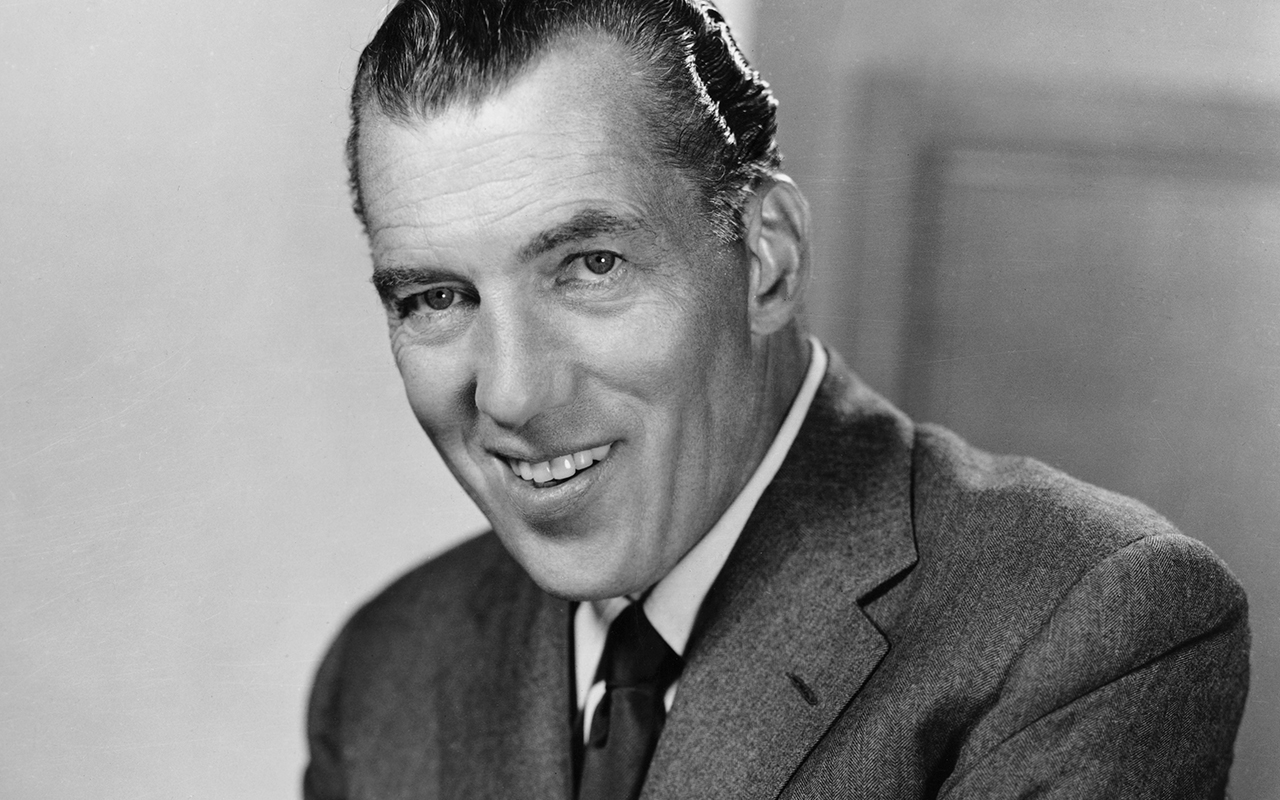
Host of the longest running broadcast variety show in U.S. history, Ed Sullivan was a pop culture megaphone – bringing new voices of rock & roll straight into American living rooms for over 20 pivotal years.
Television host, newspaper reporter, and kingmaker Ed Sullivan (1901-1974) had a profound impact on rock & roll music and American culture. With more than a thousand episodes featuring over ten thousand artists across twenty-three years, The Ed Sullivan Show (1948-1971) was a weekly national event – an American family ritual that gave millions their first exposure to Black and international performers.
Ed Sullivan began his career as a sportswriter in 1919 for the New York Evening Mail. While working as a sports columnist for The New York Evening Graphic, Sullivan frequently challenged the era’s racial barriers; notably, he condemned NYU’s decision to bench a Black football player during a game against the University of Georgia. His career took a significant turn after he wrote a feature on Broadway, leading the New York Daily News to hire him for a regular syndicated column, ‘Little Old New York,’ covering all aspects of entertainment. From 1932 until his passing, Sullivan’s column remained a staple of the New York press.
Following a vaudeville format, each episode of The Ed Sullivan Show featured novelty acts, comedians, musicians, actors, and celebrity guests. Sullivan introduced audiences to legendary performers including Elvis Presley, the Beatles, the Doors, James Brown, Buddy Holly, and the Rolling Stones – making an appearance on the show a near guarantee of stardom. At a time when television was shaped by systemic racism, Sullivan consistently featured Black artists and refused to bow to network pressure to segregate. In 1953, Sullivan broke with the Hollywood blacklist to host Harry Belafonte and, in 1956, publicly supported Nat King Cole after a physical attack by Ku Klux Klan members in Birmingham, Alabama. Sullivan shook both men’s hands on camera despite the risk of backlash. He also showcased pioneering Black artists such as Bo Diddley, the Platters, Jackie Wilson, Fats Domino, and numerous Motown acts including the Supremes, the Temptations, the Jackson 5, and Stevie Wonder, alongside lesser-known entertainers from Harlem’s club scene, like Rahsaan Roland Kirk and the Ravens.
At its height, with an audience of up to fifty million viewers, The Ed Sullivan Show expanded the minds of Americans every Sunday night. Sullivan used the show to promote a broader, more inclusive vision of society – transforming television into a quiet but lasting cultural revolution.
Influence
More from
the Hall